




 Salesforce ERP
 ERP + CRM Platform
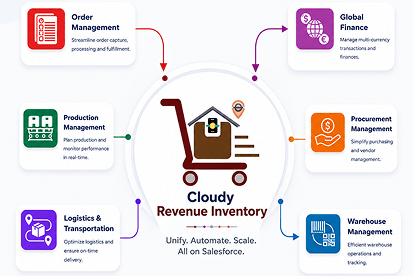
  Inventory Management
  Warehouse Management
  Order Management
  Vendor Management
  Logistics Management
  BOM Management
  Order Fulfillment
  Business Operations
  SaaS Platform for Operations
  Salesforce Cloud ERP Platform
  Xero
Xero
 Zoho books
 Quickbooks
 Shopify
 Acumatica
 SAP
SAP
 Odoo
Odoo
 NetSuite
 Microsoft Dynamics 365
 Sage
Sage



 Agentforce Revenue Management
 Agentforce Revenue Management + Billing
  Salesforce CPQ
 Salesforce Advanced Billing
  Migrate from CPQ to ARM
  Managed Services
 Salesforce Implementation
 Revenue Cloud Implementation
 ServiceNow Consulting Services
 Zoho CRM implementation
 MuleSoft Integration
 Workato Integration
 Microsoft
 Data Cloud
 Tableau
 Template Section
The Template Section allows you to organize and structure the content of a document generated from a template. Sections help break the document into manageable parts, enabling a clear layout and enhanced readability. They can include static content, dynamic merge fields, images, or related lists, and can be customized for layout and styling.
How the Object Represents in Cloudy DocGen & Signer
The Template Section object represents an individual section of a Document Template. It defines the type and content of a specific area within the document, allowing templates to be structured into Header, Content, Footer, Related List, or Canvas sections.
Each Template Section is linked to its parent Document Template through a Master-Detail relationship and can contain multiple content areas for configuring document-specific information.
Why is it Used?
The Template Section object is used to structure and manage the different content areas of a Document Template. It allows administrators to define where and how specific information should appear in the generated document, including headers, main content, footers, related lists, and canvas-based sections.
This provides greater flexibility when building documents with different layouts and content requirements.
Key Features
🧩 Structured Document Sections
Organize a Document Template into clearly defined sections for different document requirements.
📑 Multiple Section Types
Support Header, Content, Footer, Related List, and Canvas section types.
📝 Flexible Content Areas
Maintain content across five large content fields, providing flexibility for complex document content.
🔗 Template Association
Maintain a direct Master-Detail relationship with the parent Document Template.
🔄 Related Object Support
Specify a related object type when the section needs to work with related Salesforce data.
🏷️ Section Description
Add a description to explain the purpose or intended use of the section.
Key Field Functionality
| Field | Purpose |
| Content 1 | Stores content for the first configurable content area within the template section. |
| Content 2 | Stores content for the second configurable content area within the template section. |
| Content 3 | Stores content for the third configurable content area within the template section. |
| Content 4 | Stores content for the fourth configurable content area within the template section. |
| Content 5 | Stores content for the fifth configurable content area within the template section. |
| Description | Provides a description of the template section and its purpose. |
| Document Template | Associates the Template Section with its parent Document Template. |
| Related Object Type | Specifies the related Salesforce object type used by the section when applicable. |
| Section Type | Defines how the section is used in the document: Header, Content, Footer, Related List, or Canvas. |
Purpose & Use:
- Organizes document content into two different section types, easy-to-read sections.
- Allows dynamic content to be merged from Salesforce.
- Provides layout flexibility and custom styling.
- Supports interactive fields to capture user input during document generation.
- Enhances document design and readability, ensuring professional and branded outputs.
- Allows users to customize the template according to their requirements.
Example Business Scenario
Scenario: Build a Customer Proposal Template
A sales team needs to create a professional proposal containing a company header, customer information, product details, related line items, and a footer.
The administrator creates a Document Template and adds multiple Template Section records.
A Header section is used for company branding and document information. A Content section contains the proposal introduction and terms. A Related List section is configured to display related Salesforce records such as products or line items. A Footer section contains standard footer information.
The administrator can use the five Content fields within each section to store the required document content and specify a Related Object Type where related Salesforce data is needed.
Outcome:
Template Section provides a flexible way to structure Document Templates into headers, content, footers, related lists, and canvas sections for consistent and organized document generation.
 SEE ALSO :
___👉 Template Section Creation